
Our approach
We value experience.
We don’t dismiss it.
Explore. Practise. Perform.
our philosophy —
The best answers are often already in the room.
Your sellers and leaders have won deals, lost deals and learned from both. We create the conditions for people to learn from their peers, explore their methods, challenge their thinking, keep what works and practise the skills that move them to the next level.
We bring 20 years of selling, structure and challenge. They bring their customers, their pipeline and their experience. That’s where better selling begins.

The learning doesn’t stop when the session does.
Less sitting. More doing. Better selling.
Real sales leadership experience
20 years of selling, leading teams and carrying a number. We design from the seller’s chair, not a training catalogue.
Built around live opportunities
Your people work on their own deals, buyers and calls — so the first real attempt isn’t the first attempt.
Manager reinforcement
Managers are equipped to coach the same behaviours in one-to-ones and deal reviews, so the learning keeps going.
Measurable behaviour change
We agree up front which behaviours should improve and how we’ll see it — in practice, call and deal reviews, manager feedback and your own measures.
a rhythm, not an event —
Explore. Practise. Perform.
Skills are built the way athletes build them: understand the move, rehearse it, use it in a real game, review it and go again. Every programme follows the same rhythm, scaled to the time you have.

Explore.
Start with what people already know.
Short, focused input on an idea or technique — then the room takes over. People share what already works for them, question each other’s methods and connect the idea to their own customers.
- Small-group discussion
- Everyone contributes, so experience in the room is put to work.
- Peer-to-peer learning
- Sellers coach and challenge each other, building a shared standard.
- Guided reflection
- Time to connect the idea to your own deals, habits and next steps.

Practise.
Rehearse it before it counts.
A safe space to try something new, get specific feedback and try again — on conversations built from your buyers, products and objections.
- Realistic customer scenarios
- Built from your world, so practice feels like the real thing.
- Role-play
- Structured, supportive rehearsal of the conversations that matter.
- Feedback and practice cycles
- Try, adjust and go again until the new approach feels natural.

Perform.
Take it into the next real conversation.
Skills move into real work: live opportunities, real calls and the next customer meeting — then come back to be recalled, reinforced and sharpened.
- Real opportunity reviews
- Frameworks such as MEDDPICC applied to live or anonymised deals.
- Action planning
- Everyone leaves with a specific action for their next relevant conversation.
- Spaced reinforcement and retrieval
- Ideas revisited over time and recalled without notes, so they last.
- Manager-led coaching
- Managers reinforce the same behaviours in one-to-ones and deal reviews.
and then we go again.
What happens in real deals becomes the material for the next session — so the learning keeps moving.
what sits underneath —
Four principles behind every room in the House.
Our learning principles
Make it Relevant
We tailor learning to the people, customers, challenges and commercial realities of the business.
Before anything is designed we learn your sales motion, your buyers and the conversations your team finds hardest. Scenarios, language and examples come from your world, not a generic case study.
slides support. people sell. —
The people in the room do most of the talking.
A clear visual can explain a framework in seconds. Then it steps aside — discussion, breakouts, role-play and feedback do the real work.
Sessions feel energetic and purposeful, online or face to face. People leave having said the words out loud, tried the approach and heard what their peers would do differently.
- Breakouts on real deals
- Role-play with specific feedback
- Peer challenge
- Take-away tools
- A clear next action
Once they’ve practised it, they own it.


what changed? —
Measuring what matters, honestly.
Where evaluation is part of your programme, we agree before delivery what we’ll look for. The right mix depends on your goals and the data you already have.
An honest note on impact
Results depend on engagement, business context, manager support and the chance to apply what’s been learned. We don’t promise retention rates or revenue figures. We design for application and agree what to measure.
Knowledge checks
Short checks to confirm key ideas have been understood and can be recalled.
Observed behaviour
Agreed behaviours observed in role-play, call reviews or deal reviews.
Manager feedback
Structured input from managers on what they see changing.
Confidence measures
Participants rate their confidence before and after, against specific skills.
Business indicators
Where appropriate, indicators you already track, read alongside other factors.
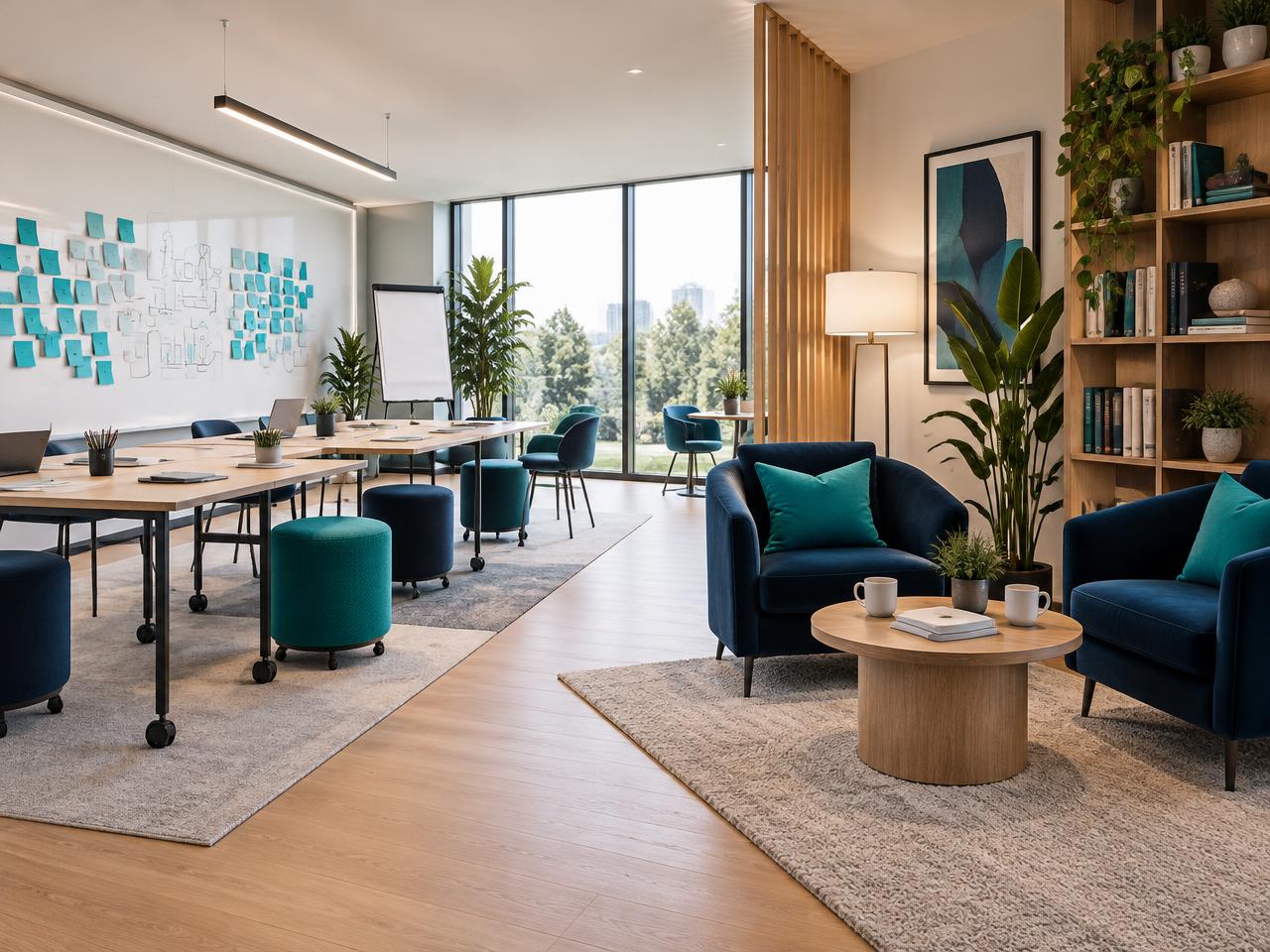

Where better selling begins.
Your team doesn’t need more slides. They need skills that stick.
Know you need help? Book a relaxed, no-obligation 30-minute call. We’ll talk through your team and challenge, and you’ll leave with an honest view of the options — no brief or programme needed.